-
Administration
-
02 March, 2026
-
12559
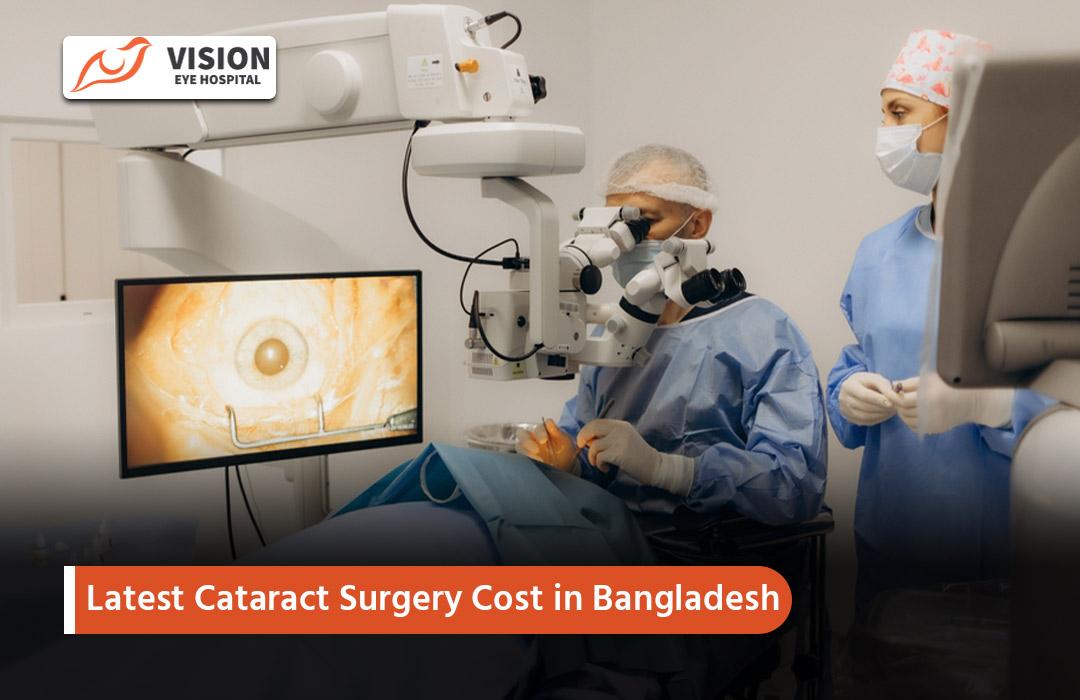
Latest Cataract Surgery Cost in Bangladesh
Cataract surgery is one of the most common and effective procedures worldwide, restoring clear vision for millions affected by cloudy lenses. In Bangladesh, particularly in Dhaka, access to high-quality cataract surgery has improved significantly, with advanced techniques like phacoemulsification (phaco) widely available. As of 2025–2026, costs remain relatively affordable compared to many countries, though they vary based on hospital type, lens choice, and technology. This guide provides the latest insights into latest cataract surgery cost in Bangladesh to help patients make informed decisions.
Overview of Cataract Surgery in Bangladesh
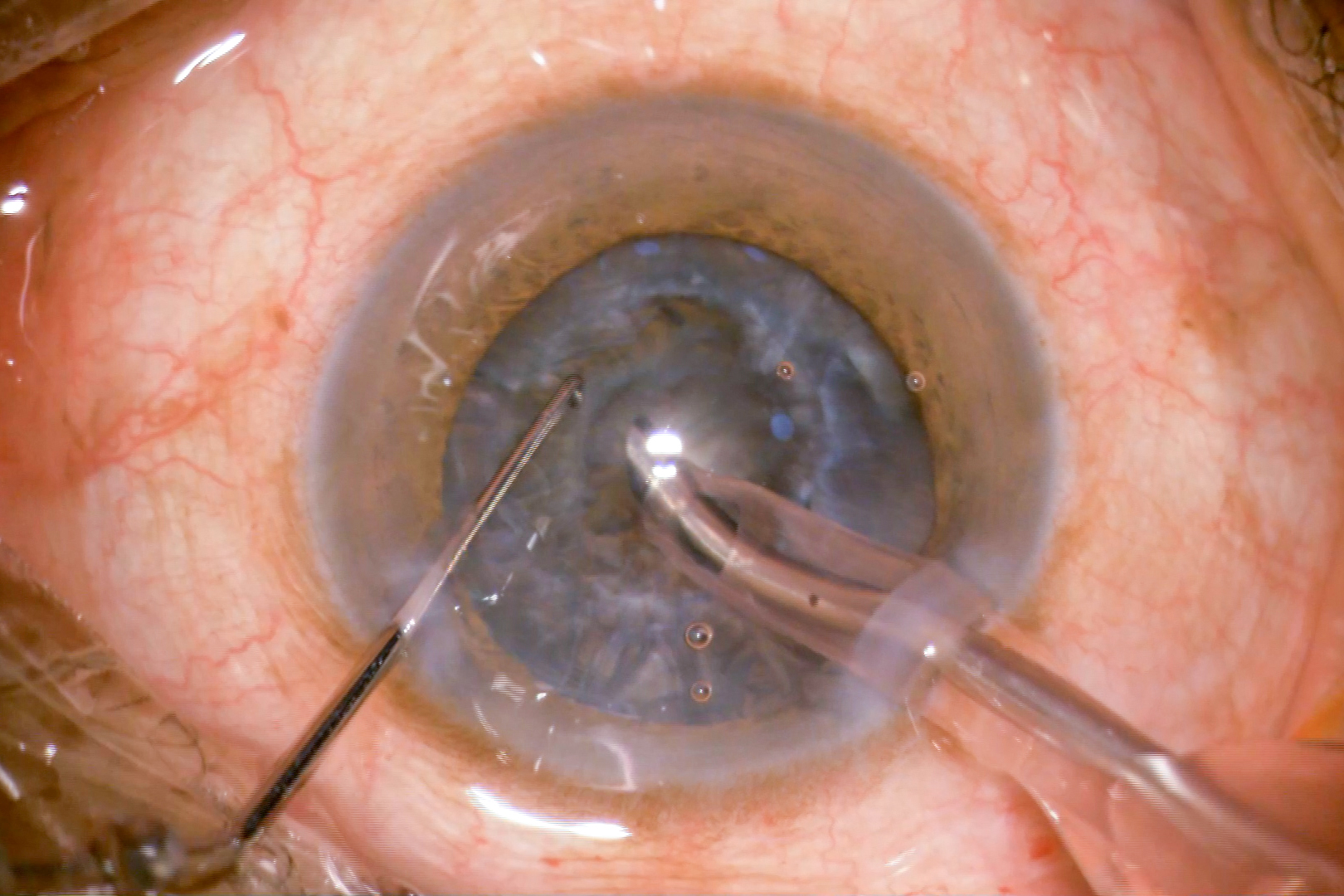
Cataract surgery involves removing the clouded natural lens and replacing it with an artificial intraocular lens (IOL). The most common method in Bangladesh is phacoemulsification, a minimally invasive ultrasound-based technique offering quick recovery (often same-day discharge). Traditional extracapsular extraction (SICS or ECCE) is still used in some settings, especially for cost-sensitive cases. Success rates are high (over 95% in reputable hospitals), with minimal complications when performed by experienced ophthalmologists.
Average Cataract Surgery Cost Ranges (2025–2026)
Costs are typically quoted per eye and have remained stable or slightly increased due to inflation and premium lens options.
-
Basic/Traditional (SICS): BDT 15,000–50,000
-
Standard Phacoemulsification: BDT 25,000–90,000
-
Advanced/Phaco with Premium IOLs: BDT 90,000–180,000+
These ranges are based on private hospital listings (e.g., Ship Hospital, BNSB, Vision Eye Hospital) and general market data for 2025–2026. Government or subsidized options can be much lower or free.
Cost Breakdown by Type of Surgery
-
Phacoemulsification (most common): BDT 30,000–180,000, depending on IOL.
-
Monofocal foldable (basic): BDT 30,000–60,000
-
Aspheric/Enhanced: BDT 70,000–90,000
-
Toric (for astigmatism): BDT 130,000+
-
Multifocal/Tri-focal (premium): BDT 180,000+
-
SICS (manual small incision): BDT 14,500–25,000 (often in government/charity settings).
-
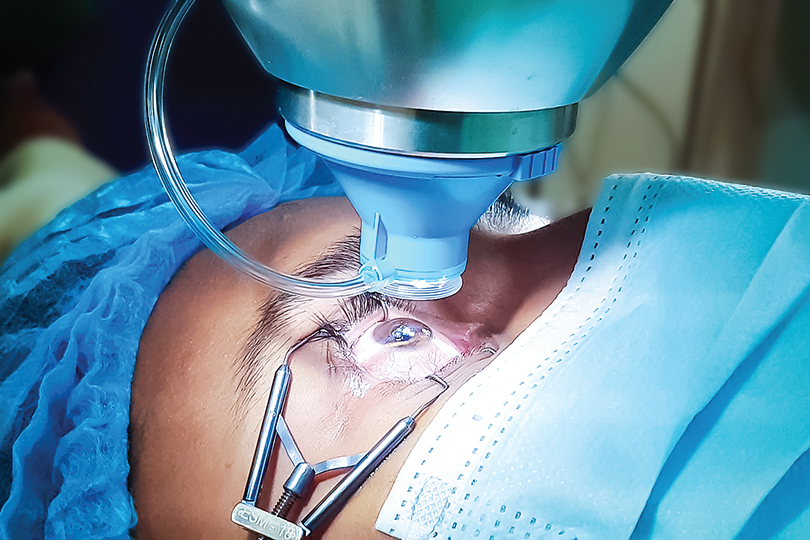
Femtosecond laser-assisted: BDT 90,000–120,000+ (less common, higher precision).
Factors That Affect Cataract Surgery Cost
-
Type of IOL: The biggest variable—basic monofocal vs. premium multifocal/toric.
-
Hospital reputation and location: Dhaka's top private hospitals charge more than rural or government facilities.
-
Surgeon experience: Senior specialists may add fees.
-
Pre-op tests and anesthesia: Included in packages but vary.
-
One eye vs. both: Bilateral surgeries sometimes discounted.
-
Additional needs: Astigmatism correction or complications increase costs.
Cost Differences Between Government & Private Hospitals
-
Government hospitals (e.g., National Institute of Ophthalmology): Often free or very low-cost (BDT 5,000–20,000) for basic procedures, subsidized by the government. Long wait times and basic IOLs common.
-
Private hospitals (e.g., Vision Eye Hospital, Bangladesh Eye Hospital, Ship Hospital): BDT 30,000–180,000+, with advanced tech, faster service, premium IOLs, and better facilities. Many offer transparent packages. Private options are preferred for quicker, personalized care, while government/charity suits low-income patients.
Intraocular Lens (IOL) Price Range and Its Impact on Total Cost
IOLs are regulated by the Directorate General of Drug Administration (DGDA), with fixed maximum prices from Tk 143 (basic Indian PMMA) to Tk 126,000 (premium German multifocal/toric).
-
Basic monofocal (Indian/Chinese): BDT 5,000–20,000
-
Aspheric/enhanced monofocal (USA/Japan): BDT 20,000–50,000
-
Toric/multifocal: BDT 50,000–180,000+
The IOL often accounts for 40–70% of total cost. Choosing a premium lens (better vision without glasses) significantly raises the price but improves quality of life.
Hidden Costs and Additional Charges to Expect
-
Pre-op tests (biometry, blood work): BDT 2,000–10,000
-
Medications/post-op drops: BDT 1,000–5,000
-
Follow-up visits: BDT 500–2,000 each
-
Transport/accommodation (for rural patients): Variable
-
Anesthesia or minor extras: Usually included, but confirm.
Most reputable hospitals bundle these into packages—always ask for a full breakdown.
How to Save on Cataract Surgery Expenses in Bangladesh
-
Opt for monofocal IOLs if budget-constrained.
-
Choose reputable private hospitals with competitive packages (e.g., Indian-manufactured lenses).
-
Look for insurance coverage or employer benefits.
-
Attend government/charity camps for subsidized/free options.
-
Compare quotes from multiple hospitals (e.g., Vision Eye, BNSB).
-
Schedule both eyes together for potential discounts.
What’s Included in a Typical Cataract Surgery Package
Standard private packages often cover:
-
Pre-op consultation and tests
-
Surgery (phaco + IOL implantation)
-
Local anesthesia
-
Post-op medications and drops
-
1–2 follow-up visits
Premium packages may include advanced IOLs, faster scheduling, and extended care.
When Free or Low-Cost Cataract Surgery Is Available
Free or subsidized surgeries are common through:
-
Government programs (National Eye Care Plan)
-
NGOs like Orbis International, PKSF (targeting 100,000 surgeries in recent initiatives)
-
Charity organizations (e.g., Sightsavers, Lions Clubs, local eye hospitals like BNSB)
-
Outreach camps in rural areas or Dhaka slums
These target low-income, elderly, or underserved groups, often using basic techniques but high-quality outcomes. Eligibility usually requires screening check with local eye hospitals or NGOs.
Cataract surgery in Bangladesh offers excellent value, with costs far lower than in Western countries while delivering world-class results in top facilities. Prices can fluctuate, so consult a specialist for a personalized quote. If you're experiencing cloudy vision, don't delay early surgery prevents complications. For expert care and accurate costing, contact Vision Eye Hospital or a trusted ophthalmologist in Dhaka. Restore your sight and quality of life today!


John Doe
10 days agoLorem ipsum dolor, sit amet consectetur adipisicing elit. Perferendis cum illum facere in exercitationem assumenda corporis itaque excepturi molestias voluptas, quibusdam accusantium, quae dolore iste eum aliquam saepe eius iure.
John Doe
10 days agoLorem ipsum dolor, sit amet consectetur adipisicing elit. Perferendis cum illum facere in exercitationem assumenda corporis itaque excepturi molestias voluptas, quibusdam accusantium, quae dolore iste eum aliquam saepe eius iure.