-
Administration
-
27 January, 2026
-
764
Children Eye Care in Bangladesh: When to See a Doctor
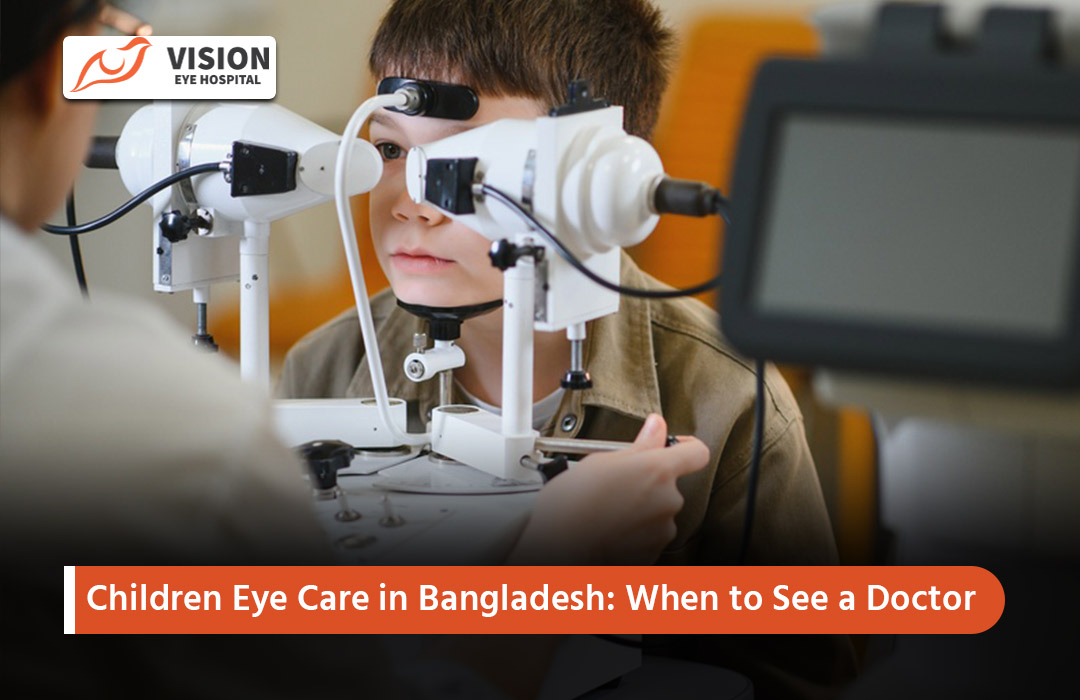
Children's eye health is crucial for their overall development, learning, and quality of life. In Bangladesh, where access to quality eye care is improving through dedicated hospitals and school screening programs, early detection and treatment of vision issues can prevent long-term problems. Facilities like Vision Eye Hospital, Ispahani Islamia Eye Institute & Hospital, Bangladesh Eye Hospital, and others in Dhaka offer specialized pediatric ophthalmology services, including expert consultations for conditions like refractive errors, squint, and amblyopia.
Importance of Children’s Eye Care
Good vision in early childhood supports brain development, academic performance, social skills, and coordination. Undetected eye problems can lead to amblyopia ("lazy eye"), permanent vision loss, or learning difficulties. In Bangladesh, studies show refractive errors affect many school-going children, with early intervention being highly effective as young eyes respond well to treatment.
Common Eye Problems in Children
In Bangladesh, prevalent issues among children include:
-
Refractive errors — Myopia (nearsightedness), hyperopia (farsightedness), and astigmatism; myopia often tops lists in school screenings (up to 50% in some regional studies).
-
Amblyopia — Reduced vision in one eye due to misalignment or unequal focus; prevalence around 0.2-15% depending on studies.
-
Strabismus (squint) — Eyes not aligning properly, including intermittent exotropia.
-
Other conditions — Congenital cataracts, ptosis (droopy eyelid), allergic conjunctivitis, infections, and rarely, more serious issues like retinopathy of prematurity in preterm babies.
School-based screenings and hospital data highlight refractive errors and strabismus as leading concerns.
Signs of Vision Problems in Kids
Watch for these red flags, which may indicate a need for professional evaluation:
-
Frequent squinting or closing one eye.
-
Tilting or turning the head to see better.
-
Frequent eye rubbing, excessive blinking, or watery eyes.
-
Complaints of headaches, eye strain, or blurred vision.
-
Difficulty reading, skipping lines, or holding books very close/far.
-
Poor hand-eye coordination, clumsiness, or avoiding activities requiring sharp vision.
-
Eyes turning inward/outward or not moving together.
Young children may not complain, so observe behavior closely.
When Should a Child See an Eye Doctor?
Seek immediate consultation if you notice any signs above, or in cases like:
-
Family history of eye diseases.
-
Premature birth or developmental delays.
-
Eye injury, redness, pain, or unusual light sensitivity.
-
White pupil reflex (leukocoria) — a medical emergency.
Even without symptoms, routine check-ups catch hidden issues early.
Eye Check-Up Schedule for Children
Recommended schedule (aligned with global guidelines and local practices in Bangladesh):
-
Newborn to 6 months — Red reflex check by pediatrician; full exam if risk factors.
-
6-12 months — Basic screening for alignment and response to light.
-
1-3 years — Comprehensive exam by age 2-3, especially if family history.
-
3-5 years — Detailed check before school entry.
-
School age (5+ years) — Every 1-2 years, or annually if glasses needed or issues present.
In Bangladesh, pediatric ophthalmologists often recommend exams at age 2 and every 2-3 years thereafter, with school screenings helping identify cases.
Causes of Eye Issues in Children
Common causes include:
-
Genetics — Family history of refractive errors or strabismus.
-
Environmental factors — Excessive screen time, limited outdoor activity (linked to rising myopia).
-
Prematurity or low birth weight.
-
Infections, injuries, or nutritional deficiencies.
-
Untreated refractive errors leading to amblyopia.
Preventing Vision Problems at an Early Age
Parents can help by:
-
Encouraging outdoor play (at least 1-2 hours daily) to reduce myopia risk.
-
Following the 20-20-20 rule for screen time: Every 20 minutes, look 20 feet away for 20 seconds.
-
Ensuring balanced nutrition (vitamin A-rich foods like carrots, spinach).
-
Limiting close-up work and maintaining good lighting/reading distance.
-
Protecting eyes from UV with hats/sunglasses outdoors.
-
Avoiding eye rubbing and practicing hygiene to prevent infections.
Treatment Options for Children’s Eye Conditions
Treatments are tailored to the child:
-
Glasses or contact lenses for refractive errors.
-
Patching or atropine drops for amblyopia.
-
Eye exercises or prism lenses for some strabismus cases.
-
Surgery for squint, cataracts, or droopy eyelids.
-
Medications for infections/allergies.
Early treatment (ideally before age 7-8) yields the best results.
Role of Parents in Maintaining Eye Health
Parents play a key role by:
-
Monitoring for signs daily.
-
Scheduling routine eye exams.
-
Ensuring compliance with glasses, patching, or drops.
-
Promoting healthy habits like balanced screen time and outdoor activities.
-
Educating children about eye protection.
Choosing the Right Eye Specialist for Children
Look for:
-
Fellowship-trained pediatric ophthalmologists (specialists in child eye care and strabismus).
-
Hospitals with dedicated pediatric departments and child-friendly environments.
-
Positive reviews, modern equipment, and comprehensive care.
Top options in Dhaka include:
-
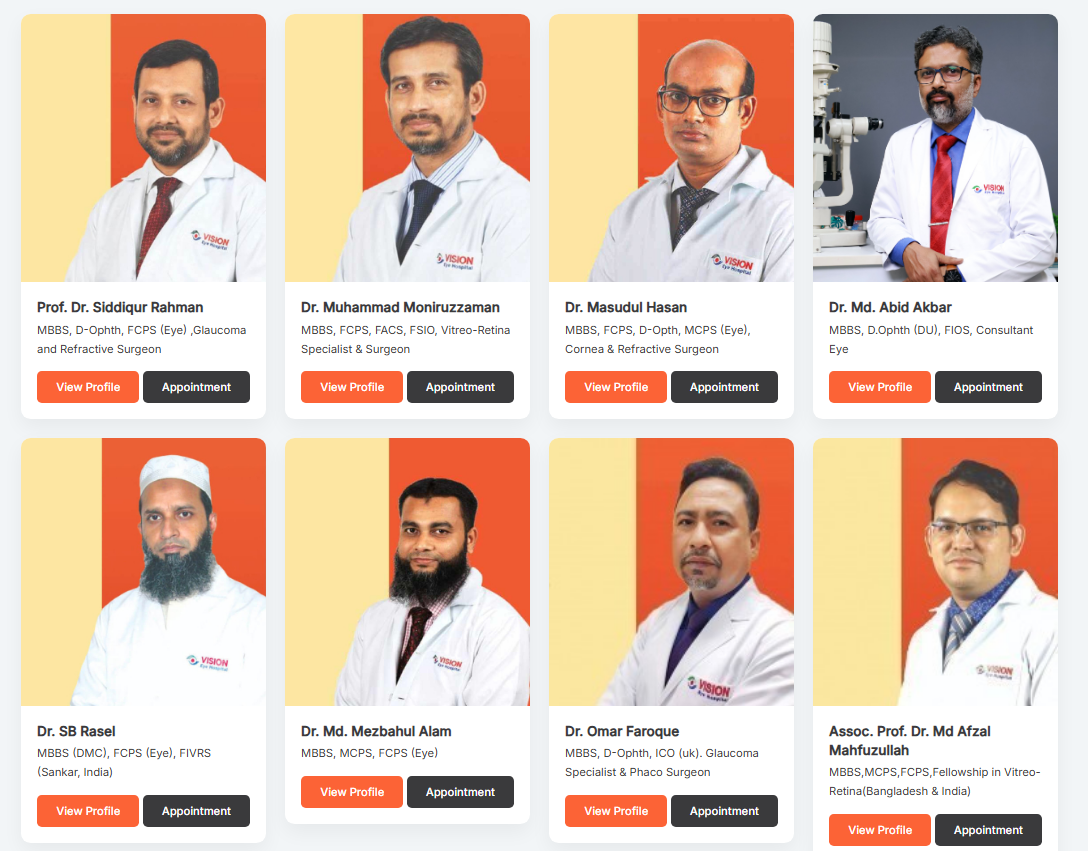
Vision Eye Hospital — Offers specialized children's eye care with expert consultations.
-
Ispahani Islamia Eye Institute & Hospital — Renowned pediatric ophthalmology and strabismus department.
-
Bangladesh Eye Hospital — Experienced pediatric specialists like Dr. Kazi Shabbir Anwar.
-
Others: Lions Eye Institute, Evercare Hospital Dhaka, or Deen Mohd. Eye Hospital.
Prioritize board-certified doctors with pediatric training.
Protecting your child's vision starts with awareness and timely action. If you're in Dhaka or elsewhere in Bangladesh and suspect an eye issue, consult a pediatric eye specialist promptly — early care makes all the difference. Schedule a check-up at a trusted center like Vision Eye Hospital today for peace of mind and bright futures!


John Doe
10 days agoLorem ipsum dolor, sit amet consectetur adipisicing elit. Perferendis cum illum facere in exercitationem assumenda corporis itaque excepturi molestias voluptas, quibusdam accusantium, quae dolore iste eum aliquam saepe eius iure.
John Doe
10 days agoLorem ipsum dolor, sit amet consectetur adipisicing elit. Perferendis cum illum facere in exercitationem assumenda corporis itaque excepturi molestias voluptas, quibusdam accusantium, quae dolore iste eum aliquam saepe eius iure.