-
Administration
-
27 January, 2026
-
1486
Eye Diagnostic Tests in Dhaka: Patient Guide line
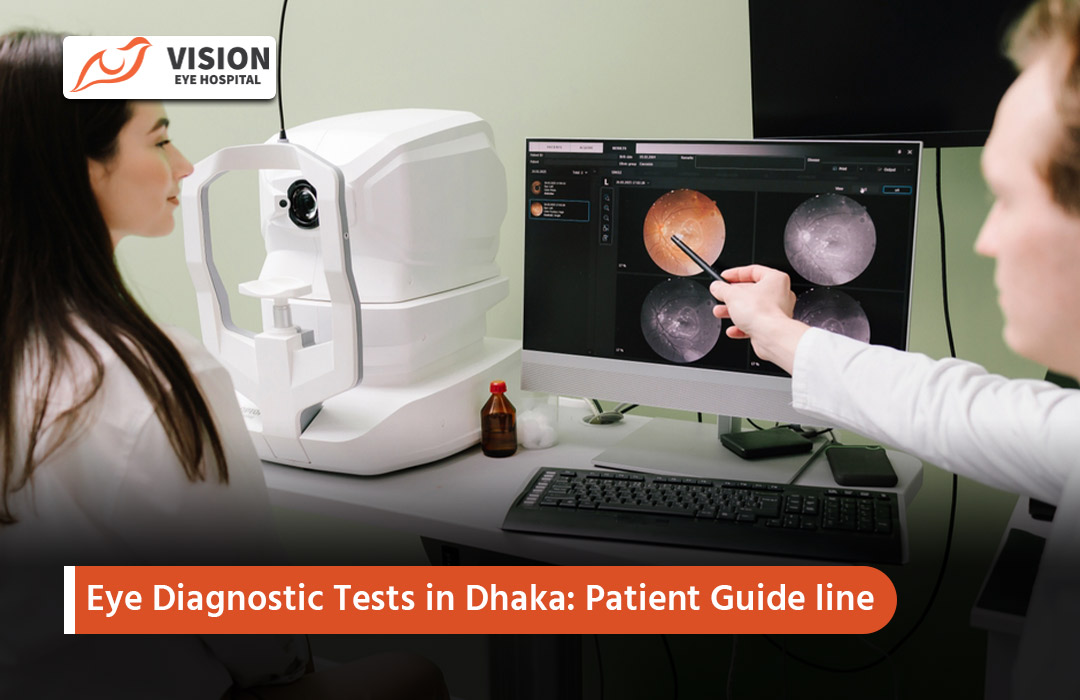
Regular eye diagnostic tests are essential for maintaining good vision and detecting issues early, especially in a bustling city like Dhaka where factors like pollution, screen time, and genetics contribute to eye problems. In Bangladesh, leading eye hospitals offer advanced diagnostic services using state-of-the-art equipment to ensure accurate assessments. Centers like Vision Eye Hospital, Bangladesh Eye Hospital, Ispahani Islamia Eye Institute, and others in Dhaka provide comprehensive testing for everything from routine check-ups to complex conditions.
Importance of Eye Diagnostic Tests
Eye diagnostic tests go beyond checking vision sharpness — they evaluate overall eye health, detect silent diseases like glaucoma (which often shows no early symptoms), and prevent irreversible vision loss. Early diagnosis is key in Bangladesh, where common issues like refractive errors, cataracts, and glaucoma affect millions. Routine tests help tailor treatments, such as glasses, surgery, or medications, improving quality of life and catching problems before they worsen.
Common Eye Conditions Detected by Tests
Diagnostic tests in Dhaka commonly identify:
-
Refractive errors (myopia, hyperopia, astigmatism) — The most prevalent, affecting over 60% in some urban studies.
-
Cataracts — Clouding of the lens, a leading cause of blindness if untreated.
-
Glaucoma — Increased eye pressure damaging the optic nerve.
-
Diabetic retinopathy — Retinal damage from diabetes.
-
Dry eye syndrome, conjunctivitis, corneal issues, macular degeneration, and more.
Tests also screen for age-related changes, childhood conditions, and post-injury complications.
Comprehensive Eye Exam: What to Expect
A full comprehensive eye exam (often 30-60 minutes) includes multiple tests:
-
Medical history review (symptoms, family history, medications).
-
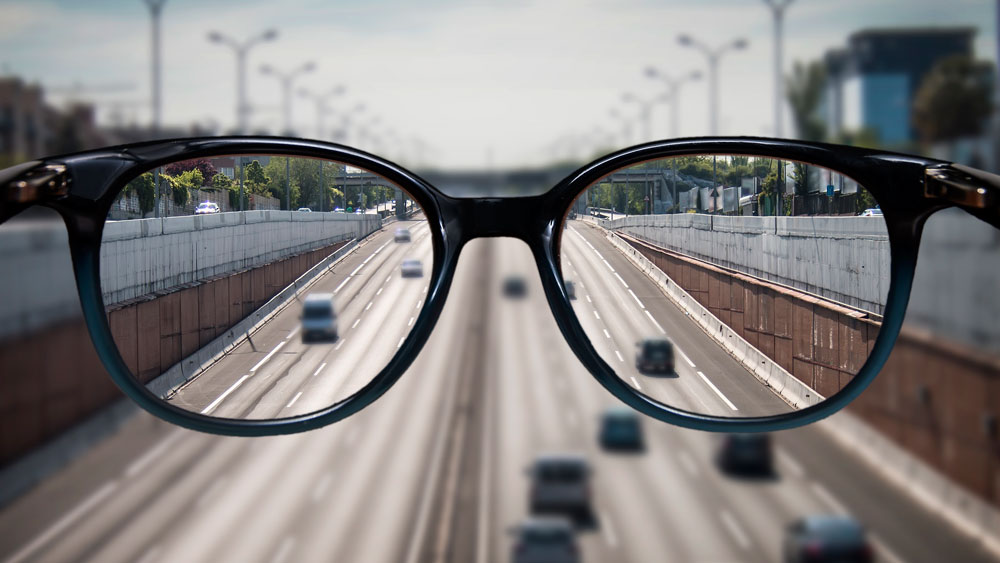
Visual acuity and refraction checks.
-
Eye pressure measurement.
-
Pupil dilation for retina view.
-
Slit-lamp exam for front eye structures.
-
Additional scans if needed.
Expect drops for dilation (blurry near vision for a few hours afterward). It's non-invasive and painless.
Vision Acuity Test: How It Works
This basic test measures how clearly you see at various distances:
-
You read letters or symbols on a Snellen chart (or digital equivalent) from 6 meters (20 feet).
-
Each eye is tested separately, with and without correction.
-
Results like 6/6 (20/20) indicate normal vision; lower numbers show impairment. It's the first step in most exams and quick (5-10 minutes).
Refraction Test: Checking for Glasses or Contact Needs
The refraction test determines your exact prescription:
-
The doctor uses a phoropter or automated refractor while you look through lenses.
-
You compare clarity ("Which is better, 1 or 2?") to fine-tune for myopia, hyperopia, astigmatism, or presbyopia.
-
It guides glasses, contacts, or refractive surgery eligibility.
Eye Pressure Test (Tonometry) for Glaucoma
Tonometry measures intraocular pressure (IOP):
-
Common methods: Air puff (non-contact), Goldmann applanation (gentle probe after numbing drops), or rebound tonometer.
-
Normal IOP is 10-21 mmHg; higher may indicate glaucoma risk.
-
It's quick, painless, and crucial for early glaucoma detection — a silent thief of sight.
Retina and Fundus Examination
This checks the back of the eye:
-
Dilated fundus exam: Drops widen pupils; doctor views retina, optic nerve, and vessels with ophthalmoscope or slit-lamp.
-
Fundus photography: Digital images document the retina.
-
Fluorescein angiography or OCT (Optical Coherence Tomography) for detailed cross-sections (useful for diabetic retinopathy, macular issues). These detect bleeding, swelling, or degeneration.
Corneal Topography and Other Advanced Tests
For detailed corneal mapping:
-
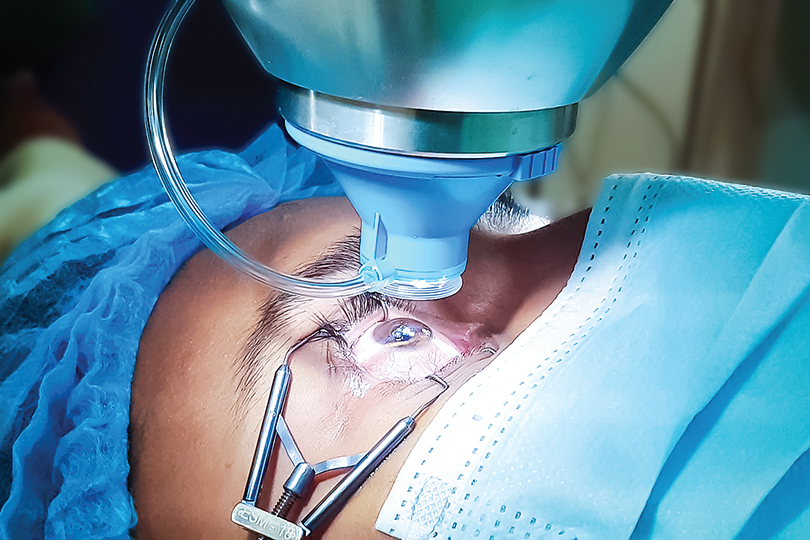
Corneal topography/Pentacam/Oculyzer — Creates 3D maps for irregularities (e.g., keratoconus) or refractive surgery planning.
-
Pachymetry — Measures corneal thickness.
-
OCT — High-resolution retina scans.
-
Visual field test — Maps peripheral vision for glaucoma. These use advanced machines available at top Dhaka hospitals.
Preparing for Eye Diagnostic Tests
To get accurate results:
-
Bring your current glasses/contacts and prescription.
-
If dilation is likely, arrange transport (no driving for 4-6 hours).
-
Inform about medications, allergies, or conditions (e.g., diabetes).
-
Avoid heavy makeup or contact lenses if instructed.
-
Eat normally unless fasting is required (rare).
Choosing the Right Eye Clinic in Dhaka
Select a clinic with:
-
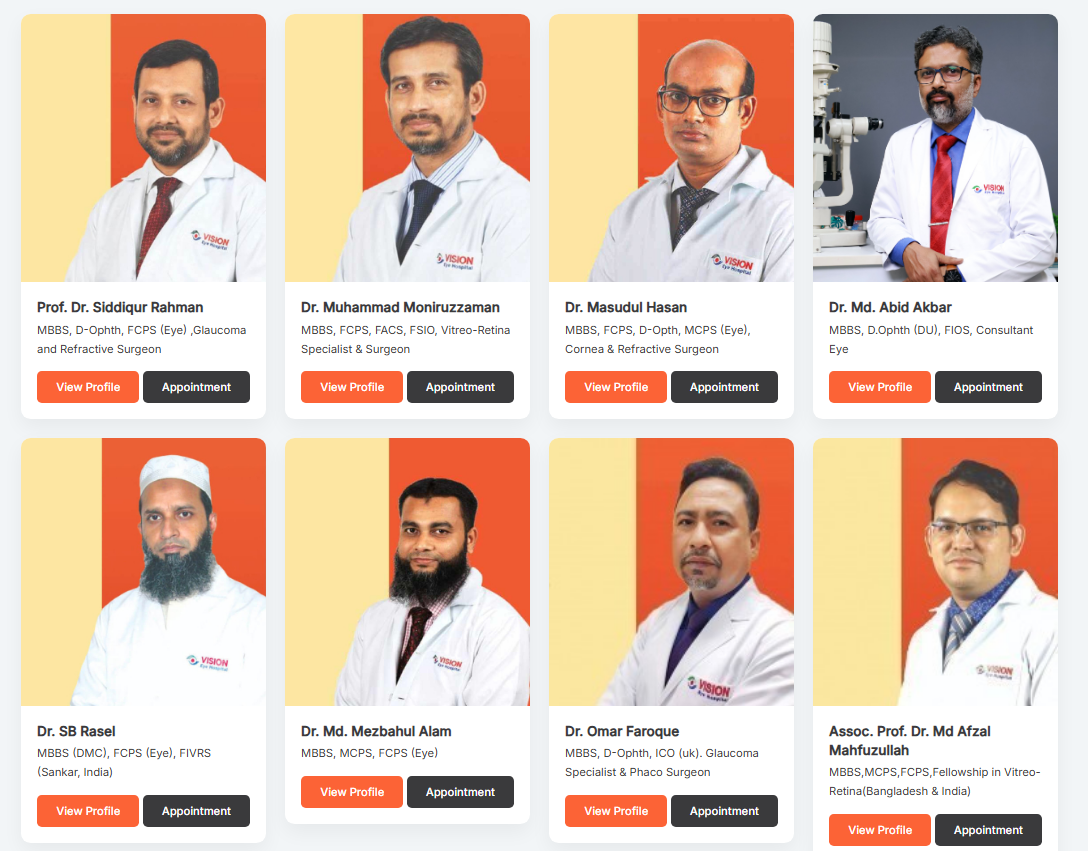
Experienced ophthalmologists and technicians.
-
Modern diagnostic tools (OCT, topography, fundus cameras).
-
Comprehensive services and good patient reviews.
-
Clean, child-friendly (if needed) facilities.
Top recommendations in Dhaka:
-
Vision Eye Hospital — Offers a full range of investigations with latest technology and expert teams.
-
Bangladesh Eye Hospital — Known for advanced diagnostics like Pentacam, OCT, and retina services across branches.
-
Ispahani Islamia Eye Institute & Hospital — Reputable for comprehensive exams and specialized testing.
-
Others: Al Noor Eye Hospital, ZEISS Vision Center, or Fortune Healthcare.
Prioritize accredited centers with transparent processes.
Don't wait for symptoms — regular eye diagnostic tests can safeguard your vision for years. If you're in Dhaka, book a comprehensive exam at a trusted facility like Vision Eye Hospital today. Early detection means better outcomes and clearer sight ahead!

John Doe
10 days agoLorem ipsum dolor, sit amet consectetur adipisicing elit. Perferendis cum illum facere in exercitationem assumenda corporis itaque excepturi molestias voluptas, quibusdam accusantium, quae dolore iste eum aliquam saepe eius iure.
John Doe
10 days agoLorem ipsum dolor, sit amet consectetur adipisicing elit. Perferendis cum illum facere in exercitationem assumenda corporis itaque excepturi molestias voluptas, quibusdam accusantium, quae dolore iste eum aliquam saepe eius iure.