-
Administration
-
03 March, 2026
-
653
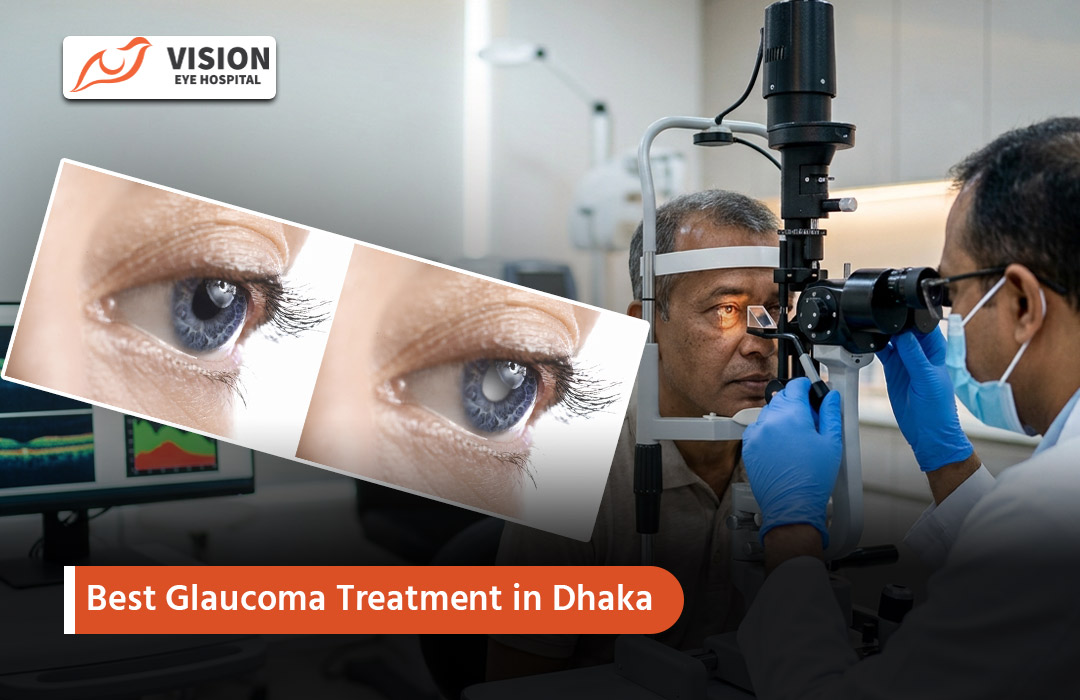
Best Glaucoma Treatment in Dhaka
Glaucoma, often called the "silent thief of sight," is a group of eye diseases that damage the optic nerve, usually due to high intraocular pressure (IOP). In Dhaka's busy urban setting—with factors like stress, pollution, and delayed check-ups—glaucoma remains a leading cause of irreversible blindness. Early detection and proper treatment are vital to preserve vision, as damage cannot be reversed but progression can be halted or slowed significantly.
This guide explores the best glaucoma treatment in Dhaka, covering options, specialists, hospitals, and practical advice for residents seeking quality care.
What Is Glaucoma & Why Early Treatment Matters
Glaucoma occurs when fluid buildup increases eye pressure, harming the optic nerve and leading to gradual vision loss—starting with peripheral (side) vision. Types include primary open-angle (most common), angle-closure (acute emergency), normal-tension, and secondary (from injury, diabetes, etc.).
Early treatment is critical because symptoms often appear late, after significant damage. With timely intervention—medications, laser, or surgery—most patients maintain functional vision for life. Regular screenings (especially after age 40 or with family history/diabetes/hypertension) can catch it early.
Common Signs & Symptoms of Glaucoma to Watch For
Many cases are asymptomatic initially, but watch for:
-
Gradual loss of side/peripheral vision.
-
Tunnel vision in advanced stages.
-
Eye pain, headache, nausea (acute angle-closure attack—emergency!).
-
Halos around lights, blurred vision.
-
Frequent changes in glasses prescription.
Routine eye exams detect it via IOP measurement, optic nerve exam, visual field tests, and gonioscopy—don't wait for symptoms.
Types of Glaucoma Treatments Available in Dhaka
Dhaka offers comprehensive, evidence-based options aligned with global standards:
-
Medications (first-line for most).
-
Laser therapies (non-invasive, quick recovery).
-
Surgery (for advanced or uncontrolled cases).
Combination approaches are common.
How to Choose a Qualified Glaucoma Specialist
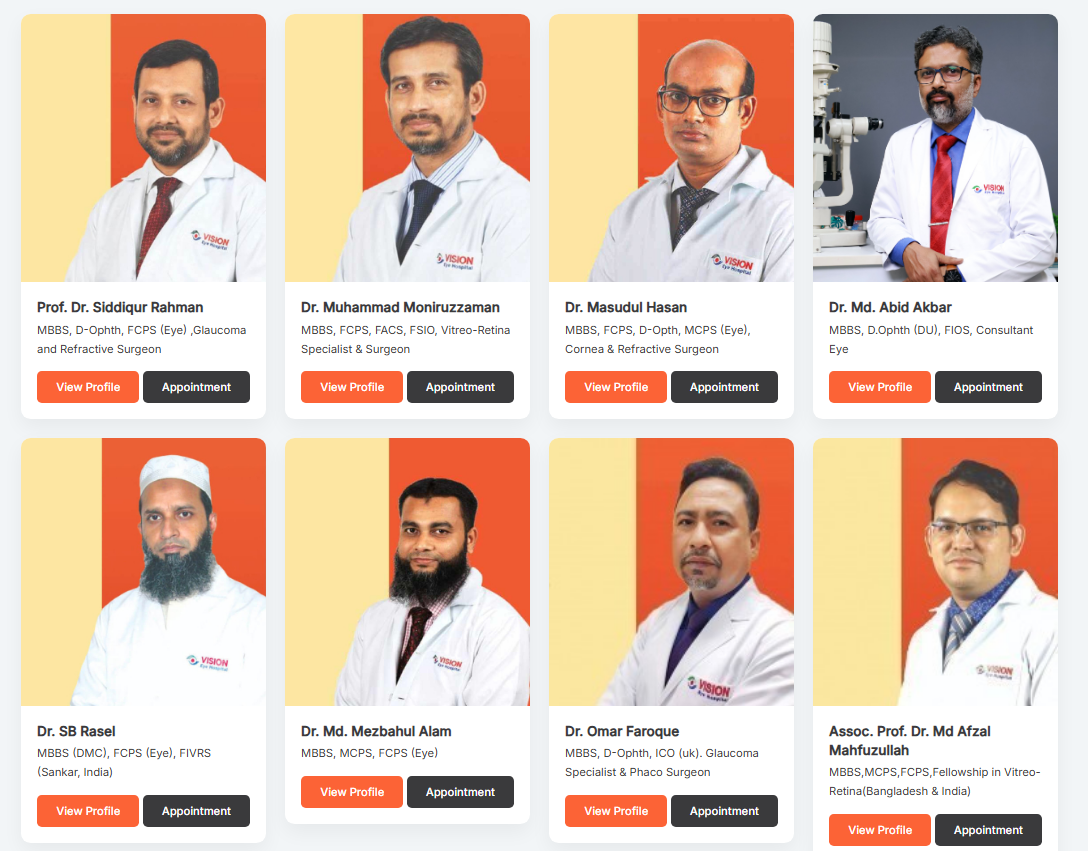
Look for board-certified ophthalmologists with glaucoma fellowship training (e.g., from LVPEI India, USA, or local institutions). Key factors: years of experience, subspecialty focus, patient reviews, success rates in pressure control, and access to advanced diagnostics (OCT, visual fields, pachymetry). Consult multiple if needed—many top specialists practice at leading hospitals.
Top Eye Hospitals & Clinics for Glaucoma Care in Dhaka
Dhaka boasts excellent specialized facilities:
-
Vision Eye Hospital (Dhanmondi): Renowned for advanced glaucoma services, including surgery and laser; features experienced consultants.
-
Bangladesh Eye Hospital & Institute (Dhanmondi, Mirpur branches): Strong glaucoma department with senior specialists like Prof. Dr. M. Nazrul Islam.
-
Ispahani Islamia Eye Institute and Hospital: One of the oldest and largest, offering dedicated glaucoma clinics, medical/surgical/laser treatments.
-
Dhaka Eye Care Hospital: Glaucoma specialists like Prof. Dr. Harun Ur Rashid.
-
Green Eye Hospital, Gulshan Specialized Eye Hospital, Lions Eye Institute & Hospital, Deen Mohd Eye Hospital, and Evercare Hospital Dhaka also provide high-quality glaucoma management.
These centers use modern equipment for accurate diagnosis and treatment.
Medication Options: Eye Drops & Pressure-Lowering Drugs
Eye drops are the most common starting treatment to lower IOP by reducing fluid production or improving drainage.
-
Prostaglandin analogs (e.g., latanoprost): Once-daily, highly effective.
-
Beta-blockers (timolol), alpha agonists, carbonic anhydrase inhibitors.
-
Combination drops for convenience.
Oral medications (e.g., acetazolamide) used short-term. Adherence is key—use reminders, as missing doses raises pressure. Side effects (redness, stinging) are usually mild; discuss alternatives with your doctor.
Laser Treatments for Glaucoma: Procedures & Benefits
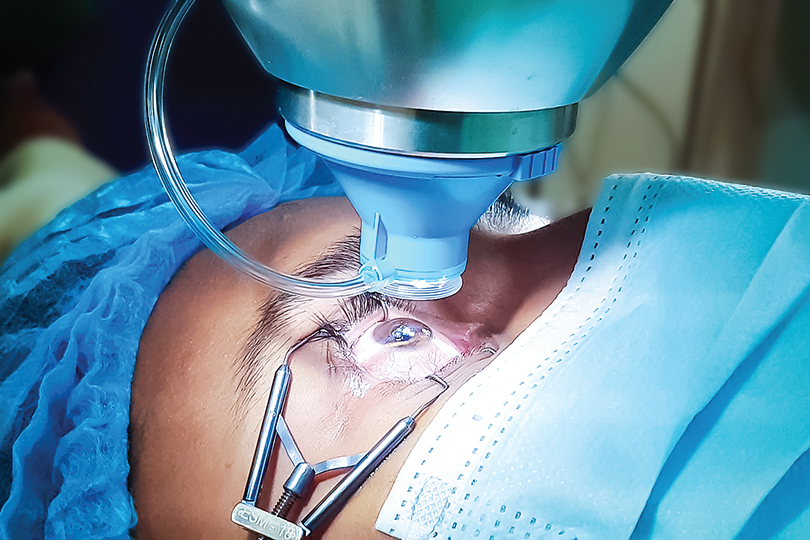
Laser is often next if drops aren't enough—outpatient, quick (minutes), minimal downtime.
-
Selective Laser Trabeculoplasty (SLT): Targets drainage tissue; repeatable, effective for open-angle.
-
Laser Peripheral Iridotomy (LPI): Prevents/ treats angle-closure by creating a small hole in iris.
-
YAG laser or others for specific needs.
Benefits: Reduces or eliminates drop dependency, low risk, good pressure control in many cases.
Surgical Treatments: When Surgery Is Recommended
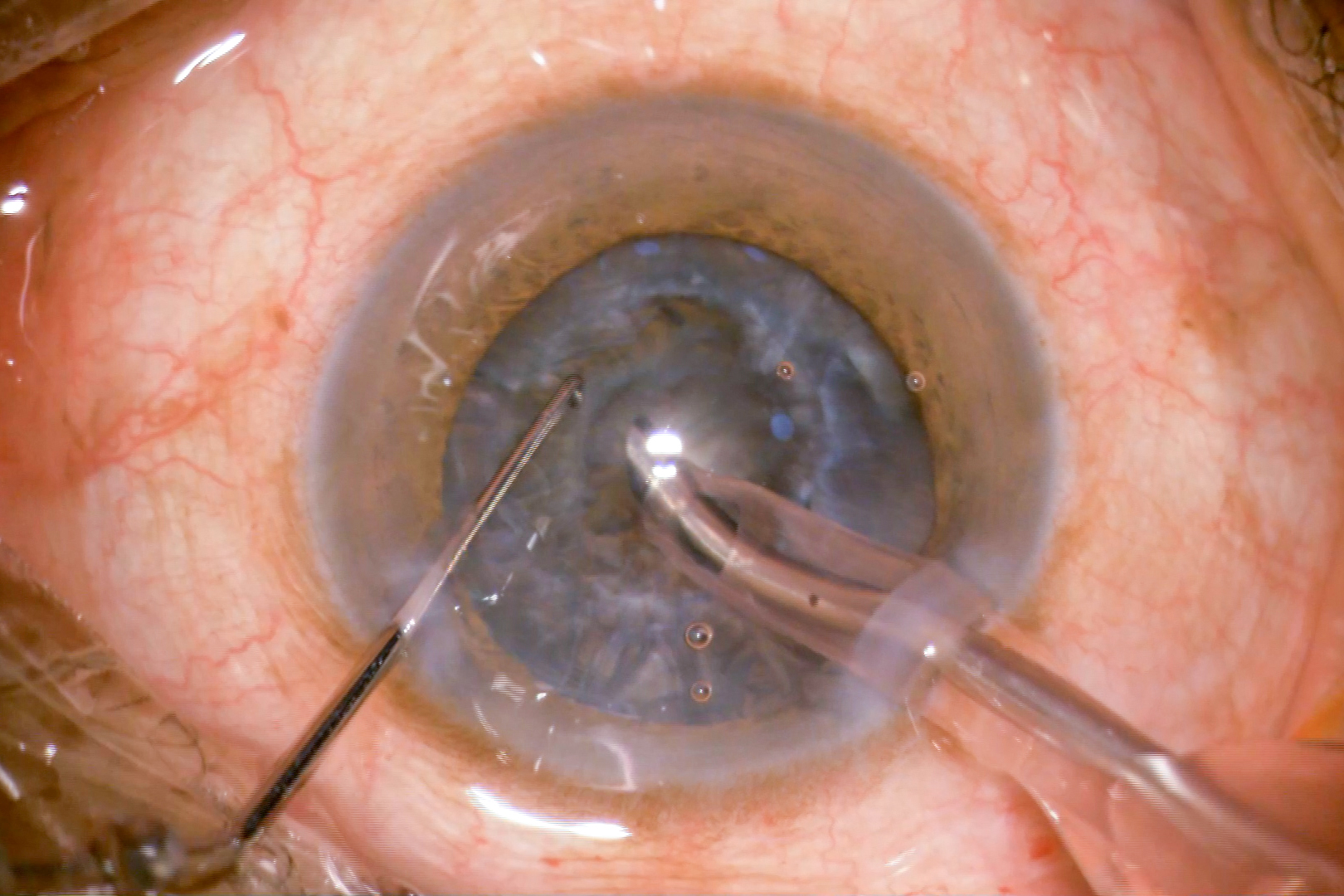
Surgery is considered for advanced glaucoma, poor medication response, or acute attacks.
-
Trabeculectomy: Creates new drainage pathway.
-
Tube shunt implants (e.g., Ahmed valve): For complex cases.
-
Minimally invasive glaucoma surgery (MIGS): Less invasive options increasingly available.
Success depends on surgeon expertise and follow-up.
Cost Factors of Glaucoma Treatment in Dhaka
Costs vary by type, hospital (private vs. government/charity), and specifics:
-
Eye drops: BDT 500–3,000/month (generics cheaper).
-
Laser (e.g., SLT/LPI): BDT 20,000–60,000 per eye (often more affordable long-term).
-
Surgery (trabeculectomy/tube): BDT 50,000–150,000+ per eye in private settings.
Government hospitals offer low-cost/free options; private ones provide faster service and advanced tech. Insurance or NGO support may help.
Follow-Up Care & Monitoring for Long-Term Eye Health
Glaucoma requires lifelong management:
-
Regular check-ups (every 3–6 months initially, then annually).
-
Ongoing IOP/visual field/optic nerve monitoring.
-
Adhere to treatment; report side effects or vision changes.
-
Lifestyle: Control blood pressure/diabetes, avoid smoking, protect eyes from injury.
Early and consistent care prevents blindness—many live full lives with managed glaucoma.
If you suspect glaucoma or need expert evaluation, consult a specialist promptly. For trusted care in Dhaka, reach out to Vision Eye Hospital or another reputable center. Preserve your vision—early action makes all the difference! Stay proactive about your eye health.


John Doe
10 days agoLorem ipsum dolor, sit amet consectetur adipisicing elit. Perferendis cum illum facere in exercitationem assumenda corporis itaque excepturi molestias voluptas, quibusdam accusantium, quae dolore iste eum aliquam saepe eius iure.
John Doe
10 days agoLorem ipsum dolor, sit amet consectetur adipisicing elit. Perferendis cum illum facere in exercitationem assumenda corporis itaque excepturi molestias voluptas, quibusdam accusantium, quae dolore iste eum aliquam saepe eius iure.