-
Administration
-
02 March, 2026
-
315
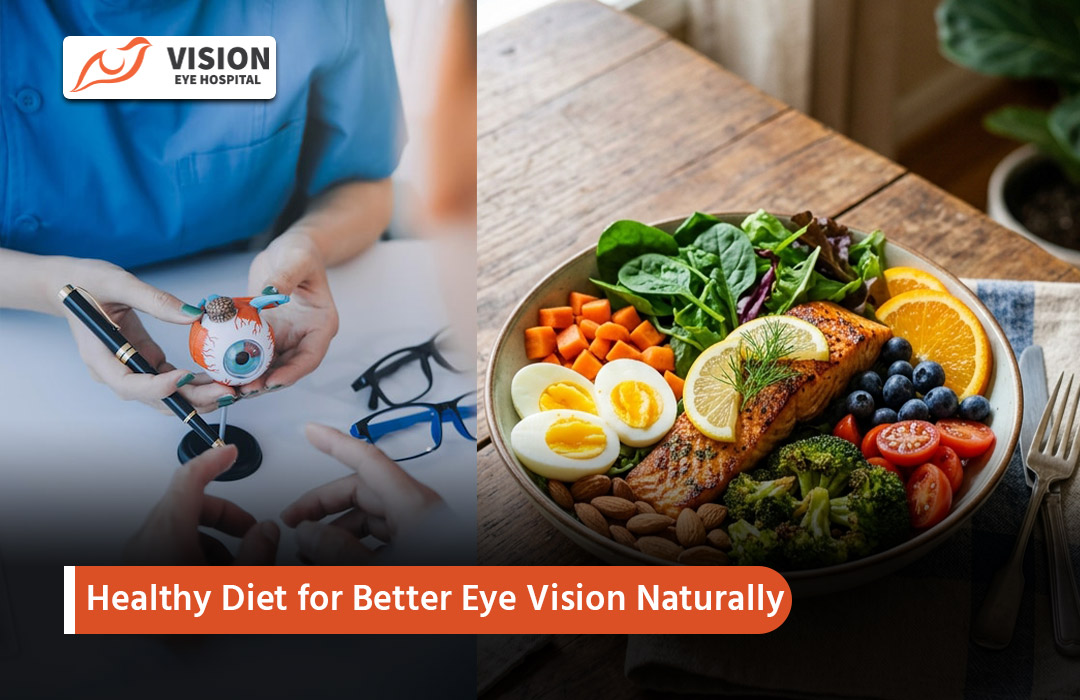
Healthy Diet for Better Eye Vision Naturally
In our fast-paced life in Dhaka, where long hours on screens and busy routines are common, maintaining sharp vision naturally starts with what’s on your plate. A healthy diet for better eye vision provides essential nutrients that protect the retina, reduce inflammation, combat oxidative stress, and support overall eye function. Studies like those from the Age-Related Eye Disease Study (AREDS) highlight how targeted nutrition can lower risks of conditions such as age-related macular degeneration (AMD), cataracts, and dry eyes.
Here’s a detailed guide to nourishing your eyes through everyday foods.
Why Nutrition Matters for Eye Health
Your eyes are highly metabolic organs exposed to light, oxygen, and potential damage from free radicals. Nutrients act as antioxidants, support retinal cell structure, maintain tear film for moisture, and promote healthy blood vessels in the eyes. Deficiencies can lead to night blindness, dry eyes, or higher risks of chronic issues. A balanced, colorful diet rich in vitamins, minerals, antioxidants, and healthy fats offers natural protection and may slow age-related decline.
Essential Vitamins for Vision: A, C, and E
-
Vitamin A (and its precursor beta-carotene): Crucial for retina function, low-light vision, and corneal health. Deficiency causes dry eyes and poor night vision. Sources: Carrots, sweet potatoes, spinach, kale, liver.
-
Vitamin C: A powerful antioxidant that protects eye tissues from UV damage, supports collagen in the eye, and may reduce cataract risk. Sources: Oranges, strawberries, kiwifruit, bell peppers, broccoli, grapefruit.
-
Vitamin E: Shields eye cells from oxidative stress and free radical damage, helping prevent AMD and cataracts. Sources: Almonds, sunflower seeds, avocados, spinach.
Minerals That Support Eye Function: Zinc & Selenium
-
Zinc: Helps transport vitamin A to the retina, supports antioxidant enzymes, and may slow AMD progression. It’s concentrated in the retina and choroid. Sources: Oysters, beef, poultry, beans, nuts, seeds.
-
Selenium: Works with vitamin E as an antioxidant to protect against cellular damage in the eyes. Sources: Brazil nuts, fish, eggs, whole grains.
Top Foods Rich in Omega-3 Fatty Acids
Omega-3s (especially DHA and EPA) form a major part of retinal cell membranes, reduce inflammation, improve tear quality to fight dry eyes, and lower AMD risk.
Top sources: Fatty fish like salmon, mackerel, sardines, tuna (aim for 2–3 servings weekly). Plant-based: Flaxseeds, chia seeds, walnuts.
These anti-inflammatory fats are especially helpful for those with screen-related dryness.
Leafy Greens and Their Role in Eye Protection
Dark leafy greens are powerhouse foods packed with lutein and zeaxanthin—carotenoids that filter harmful blue light, accumulate in the macula, and act as natural sunglasses to protect against AMD and cataracts.
Best options: Spinach, kale, collard greens, Swiss chard, romaine lettuce.
Other lutein/zeaxanthin sources: Broccoli, peas, corn.
Fruits That Improve Vision Naturally
Colorful fruits deliver vitamins, antioxidants, and hydration while providing beta-carotene and vitamin C.
Standouts:
-
Citrus (oranges, grapefruits, lemons) for vitamin C.
-
Berries (strawberries, blueberries) for antioxidants.
-
Mangoes, papayas, peaches for lutein/zeaxanthin and beta-carotene.
-
Kiwi and tomatoes for extra boosts.
Nuts and Seeds for Eye Health
These provide vitamin E, zinc, and plant-based omega-3s in convenient packages. A small handful daily protects against oxidative damage and supports retinal health.
Excellent choices: Almonds (vitamin E), walnuts (omega-3s), sunflower seeds, flaxseeds, chia seeds.
Hydration and Its Effect on Eye Performance
Adequate water intake keeps the tear film stable, preventing dry eyes and maintaining clear vision. Dehydration thickens tears, leading to irritation and fatigue.
Aim for 8–10 glasses daily, more in Dhaka’s warm climate. Herbal teas or water-rich foods (cucumbers, watermelon) help too.
Foods to Avoid That Harm Vision
Limit or avoid these to protect long-term eye health:
-
High-sugar foods/drinks (soda, sweets, processed snacks): Spike blood sugar, raising diabetes risk and diabetic retinopathy.
-
Trans fats and fried foods (fast food, packaged snacks): Increase inflammation and AMD risk.
-
Excessive saturated fats (red/processed meats, full-fat dairy): Contribute to plaque buildup affecting eye blood vessels.
-
High-sodium processed foods (chips, deli meats): Linked to hypertension, which can damage retinal vessels.
Daily Meal Tips for Maintaining Healthy Eyes
Incorporate eye-friendly foods easily:
-
Breakfast: Oatmeal with berries, chia seeds, and walnuts.
-
Lunch: Grilled salmon or lentil salad with spinach, bell peppers, tomatoes, and olive oil dressing.
-
Snack: Handful of almonds or carrot sticks with hummus.
-
Dinner: Stir-fried kale/broccoli with chicken or tofu, plus sweet potatoes.
-
Dessert: Fresh fruit like oranges or kiwi.
Follow a Mediterranean-style pattern: Emphasize fish, veggies, fruits, nuts, and healthy fats. Pair with regular eye check-ups, UV protection, and screen breaks for best results.
Nourishing your eyes through diet is a simple, powerful way to support clear, comfortable vision naturally. Small daily changes add up—your eyes will thank you! For personalized guidance, consult an eye specialist at Vision Eye Hospital. Stay healthy and see the world clearly!




John Doe
10 days agoLorem ipsum dolor, sit amet consectetur adipisicing elit. Perferendis cum illum facere in exercitationem assumenda corporis itaque excepturi molestias voluptas, quibusdam accusantium, quae dolore iste eum aliquam saepe eius iure.
John Doe
10 days agoLorem ipsum dolor, sit amet consectetur adipisicing elit. Perferendis cum illum facere in exercitationem assumenda corporis itaque excepturi molestias voluptas, quibusdam accusantium, quae dolore iste eum aliquam saepe eius iure.