-
Administration
-
26 January, 2026
-
619
Refractive Surgery in Bangladesh: Types & Benefits
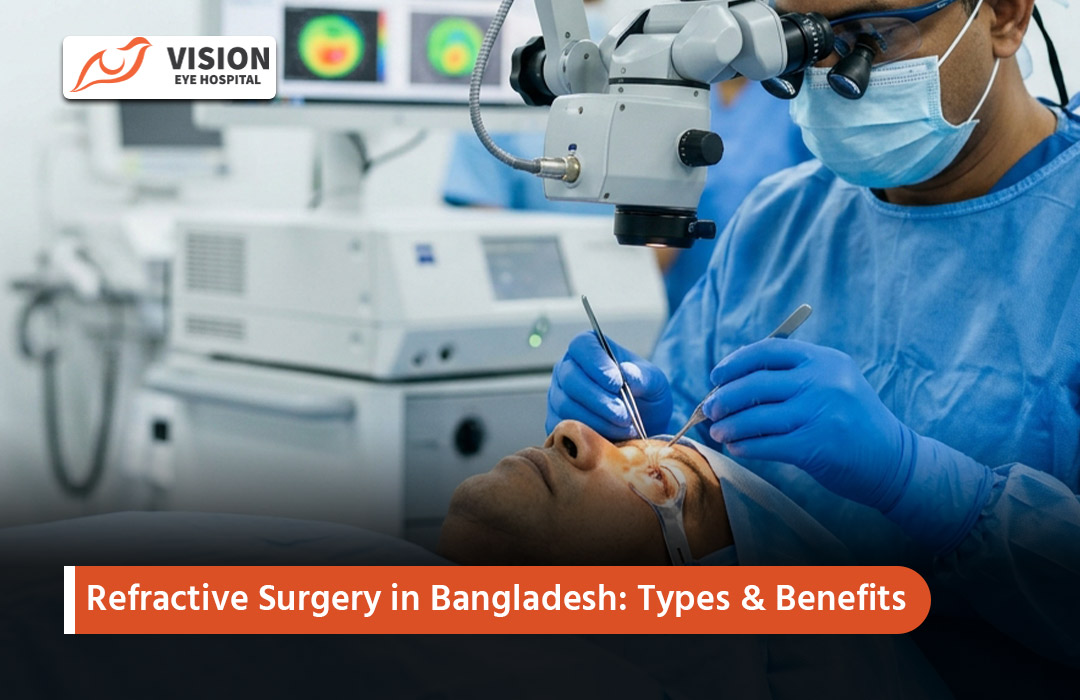
Refractive surgery has become a popular and effective solution for millions seeking freedom from glasses or contact lenses. In Bangladesh, particularly in Dhaka, advanced refractive procedures are widely available at leading eye hospitals, offering high success rates and improved quality of life. Centers like Vision Eye Hospital and Bangladesh Eye Hospital provide state-of-the-art options such as LASIK, SMILE, ICL, and more, using modern laser technology for precise vision correction.
What Is Refractive Surgery?
Refractive surgery refers to a group of procedures that reshape the cornea (or, in some cases, use implants) to correct refractive errors, allowing light to focus properly on the retina for clearer vision. These outpatient surgeries are quick, typically painless, and use advanced lasers or lenses to achieve results that often eliminate or reduce dependence on corrective eyewear.
Common Vision Problems Treated by Refractive Surgery
Refractive surgery effectively corrects:
-
Myopia (Nearsightedness) — Difficulty seeing distant objects.
-
Hyperopia (Farsightedness) — Trouble with near vision.
-
Astigmatism — Blurred vision due to irregular corneal shape.
-
In some cases, combinations of these errors.
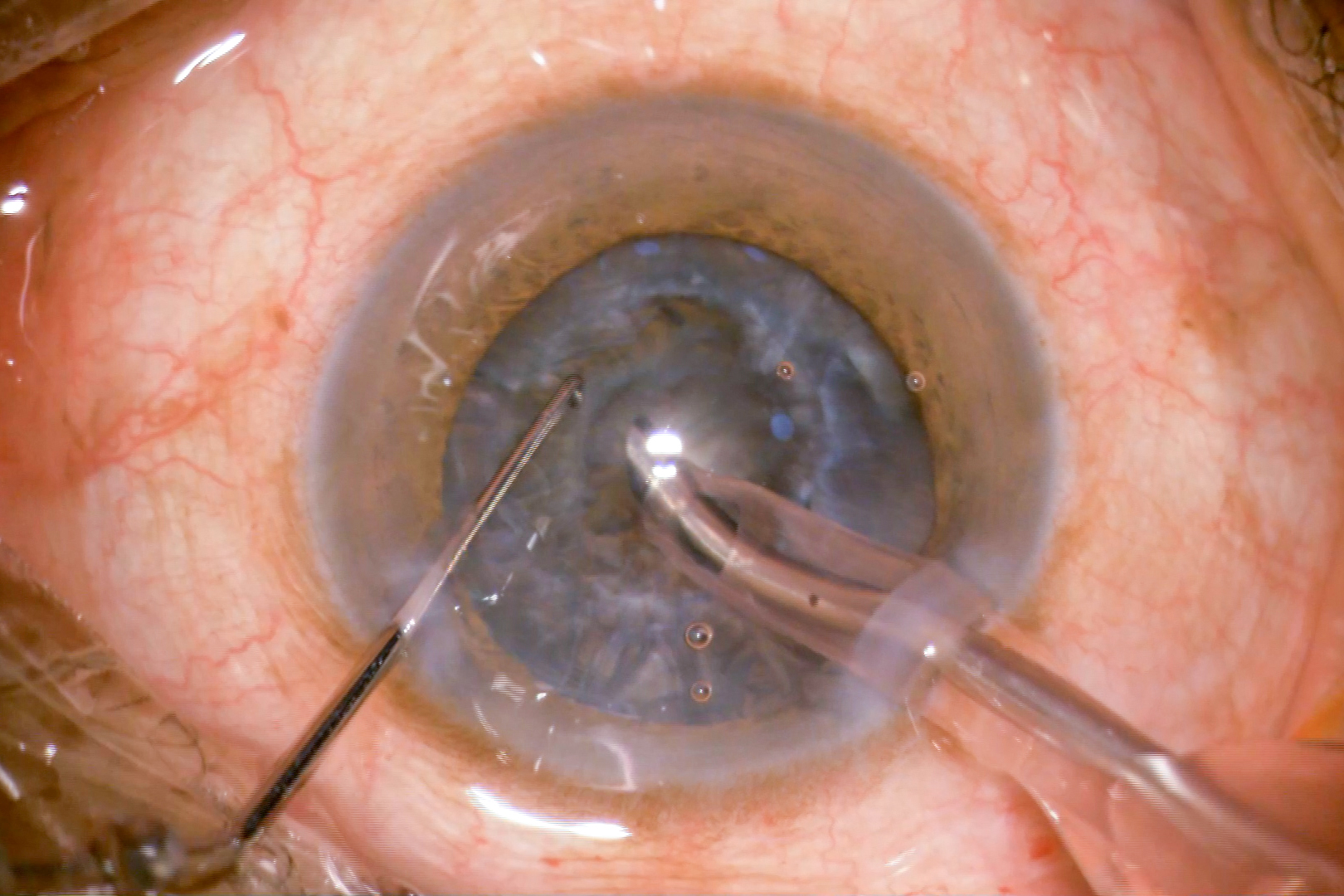
It does not treat age-related conditions like presbyopia (need for reading glasses after 40) or cataracts, though separate procedures address those.
Types of Refractive Surgery in Bangladesh
Bangladesh offers a range of advanced refractive options, especially in Dhaka:
-
LASIK (Laser-Assisted In Situ Keratomileusis) — Most common; creates a corneal flap and reshapes underlying tissue.
-
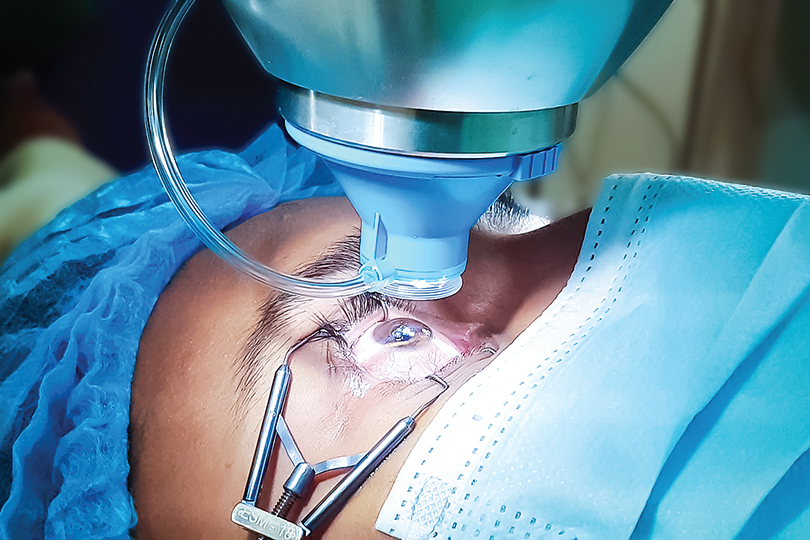
Femto-LASIK (Bladeless LASIK) — Uses femtosecond laser for flap creation, offering greater precision.
-
PRK (Photorefractive Keratectomy) — Removes the outer corneal layer (no flap); suitable for thinner corneas.
-
ReLEx SMILE (Small Incision Lenticule Extraction) — Minimally invasive, flapless procedure using femtosecond laser to create and remove a small lenticule through a tiny incision.
-
ICL/IPCL (Implantable Collamer Lens / Phakic Intraocular Lens) — Lens implanted inside the eye for high prescriptions or thin corneas.
-
Other variants like Contoura Vision (topography-guided) for customized correction.
Leading facilities like Vision Eye Hospital and Bangladesh Eye Hospital offer LASIK, SMILE, ICL, and PRK.
LASIK vs PRK vs SMILE: Key Differences
|
Aspect
|
LASIK
|
PRK
|
SMILE
|
|
Flap Creation
|
Yes (microkeratome or laser)
|
No (surface ablation)
|
No (lenticule extraction)
|
|
Invasiveness
|
Moderate
|
Higher (surface healing)
|
Least invasive
|
|
Recovery Time
|
Fast (1-2 days)
|
Longer (3-7 days, discomfort)
|
Fast (similar to LASIK)
|
|
Dry Eye Risk
|
Moderate
|
Lower
|
Lowest
|
|
Best For
|
Most patients
|
Thin corneas, active lifestyles
|
Myopia/astigmatism, dry eye concerns
|
|
Pain/Discomfort
|
Minimal
|
More initial discomfort
|
Minimal
|
SMILE and Femto-LASIK are increasingly popular in Bangladesh for their safety and comfort.
Benefits of Refractive Eye Surgery
-
Freedom from glasses/contacts — Enjoy clear vision for daily activities, sports, and travel.
-
Quick procedure — Usually 10-20 minutes for both eyes.
-
Rapid visual improvement — Many see clearly within hours (LASIK/SMILE) to days (PRK).
-
Long-term results — Stable correction for most patients, with high satisfaction rates (>95%).
-
Improved lifestyle — No fogging lenses, better peripheral vision, and convenience.
-
Cost-effective over time — Compared to lifelong glasses or contacts.
Who Is an Ideal Candidate for Refractive Surgery?
Ideal candidates typically:
-
Are 18+ years old (stable prescription for 1+ year).
-
Have healthy eyes without severe dry eye, keratoconus, or active infections.
-
Have suitable corneal thickness and pupil size.
-
Have realistic expectations (e.g., understand possible need for reading glasses later in life).
-
Are not pregnant or breastfeeding.
A detailed evaluation rules out unsuitable cases.
Pre-Surgery Eye Tests & Evaluation
A comprehensive exam (2-3 hours) includes:
-
Corneal topography and pachymetry (thickness mapping).
-
Refraction and wavefront analysis.
-
Pupil measurement and dry eye testing.
-
Dilated fundus exam.
This determines the best procedure and ensures safety.
Recovery Time & Aftercare Guidelines
-
LASIK/SMILE — Vision improves quickly; most resume work in 1-3 days. Use eye drops, avoid rubbing eyes, wear shields at night.
-
PRK — Slower healing (up to a week for functional vision); more initial discomfort but excellent long-term results.
-
General aftercare: Follow-up visits (day 1, week 1, month 1), avoid swimming/dust for weeks, use sunglasses outdoors.
Full stabilization takes 3-6 months.
Risks & Safety of Refractive Surgery
These procedures are very safe (complication rates <1% for serious issues). Common temporary side effects:
-
Dry eyes (treatable with drops).
-
Glare/halos (usually resolve).
-
Under/over-correction (enhancement possible).
Rare risks include infection or flap complications (LASIK). Choosing experienced surgeons and accredited centers like Vision Eye Hospital minimizes risks significantly. Modern technology has made refractive surgery safer than ever.
Choosing the Best Refractive Surgery Center in Bangladesh
Select a center with:
-
Experienced refractive/cornea specialists.
-
Advanced equipment (femtosecond/excimer lasers for SMILE, Femto-LASIK).
-
High patient satisfaction and transparent success rates.
-
Comprehensive pre/post-operative care.
-
Clean, accredited facilities.
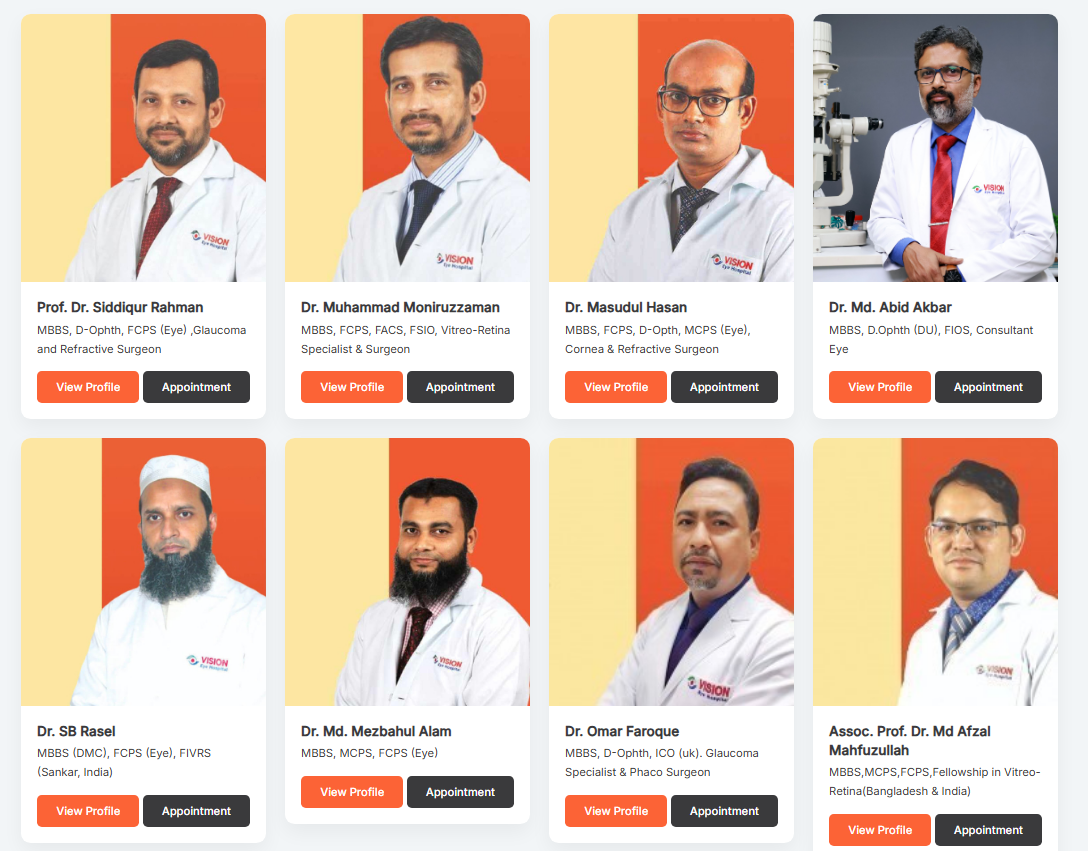
Top recommendations in Dhaka include Vision Eye Hospital (offers LASIK, SMILE, ICL with expert surgeons), Bangladesh Eye Hospital (provides LASIK, Femto-LASIK, SMILE, PRK), Ispahani Islamia Eye Institute, and others like Lasik Sight Center. Research reviews, consult multiple specialists, and prioritize personalized evaluations.
Refractive surgery can transform your vision and daily life. If you're in Bangladesh and considering clearer sight without lenses, start with a consultation at a reputable center like Vision Eye Hospital. Many patients achieve excellent results schedule your eye exam today!


John Doe
10 days agoLorem ipsum dolor, sit amet consectetur adipisicing elit. Perferendis cum illum facere in exercitationem assumenda corporis itaque excepturi molestias voluptas, quibusdam accusantium, quae dolore iste eum aliquam saepe eius iure.
John Doe
10 days agoLorem ipsum dolor, sit amet consectetur adipisicing elit. Perferendis cum illum facere in exercitationem assumenda corporis itaque excepturi molestias voluptas, quibusdam accusantium, quae dolore iste eum aliquam saepe eius iure.